
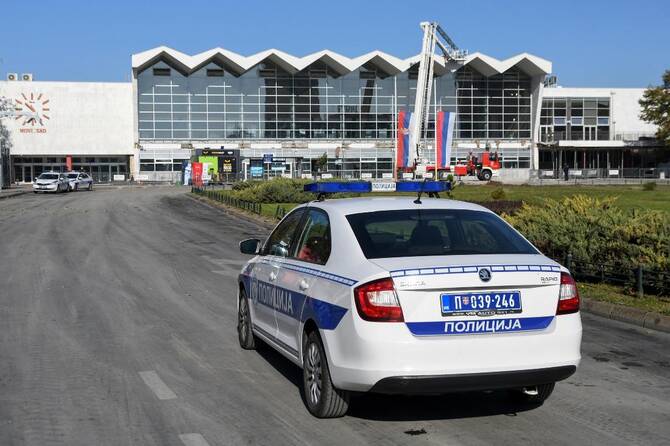
For travelers and expatriates, safety is often the primary concern when choosing a destination. Serbia, located at the crossroads of Central and Southeast Europe, frequently sparks curiosity regarding its security landscape. While the country’s turbulent history in the late 20th century created a lasting international perception of instability, the modern reality of crime in Serbia tells a much different and more nuanced story.
Statistically, Serbia remains one of the safer countries in Europe, particularly regarding violent street crime. However, like any nation, it faces specific challenges ranging from petty theft in tourist hubs to more complex issues like organized crime. This article explores the current state of public security in Serbia to provide a clear and balanced perspective.
Low Rates of Violent Street Crime
One of the most surprising aspects for visitors to cities like Belgrade or Novi Sad is the palpable sense of safety at night. Serbia maintains a very low rate of random violent crime against strangers.
In terms of public perception, it is common to see people of all ages walking through city centers or parks well after midnight. Unlike many large Western European capitals, “no-go zones” are virtually non-existent in Serbian cities. Furthermore, the cultural emphasis on social gathering means that streets are rarely empty, which contributes to a natural form of community policing. While domestic incidents do occur, they rarely affect tourists or the general public in shared spaces.
The Persistence of Petty Theft and Scams
While violent crime is rare, petty offenses such as pickpocketing and bag snatching remain a reality, particularly in crowded urban environments. These incidents tend to spike during the peak tourist season and major festivals.
In specific locations, travelers should remain vigilant in Belgrade’s pedestrian zone, Knez Mihailova, and on crowded public transportation lines. Pickpockets often work in small groups and target distracted individuals. Additionally, taxi scams were once a major grievance for visitors. While the introduction of official taxi apps has significantly improved the situation, unauthorized drivers at airports and train stations may still attempt to overcharge unsuspecting tourists. Using reputable services and confirming prices beforehand remains a vital practice for avoiding these minor financial crimes.
Organized Crime: A Deep-Rooted Challenge
While the average citizen or tourist is unlikely to encounter it, organized crime remains a significant structural issue within Serbia. This legacy stems from the economic sanctions and regional conflicts of the 1990s, which allowed illicit networks to flourish.
Structurally, organized crime groups in the Balkans are often involved in international smuggling, including narcotics and weapons. These groups generally operate in the shadows, and their activities do not typically interfere with daily civilian life. However, occasional flare-ups of violence between rival gangs can occur, though these are targeted and rare. The Serbian government, in collaboration with international agencies like Europol and INTERPOL, continues to conduct high-profile raids to dismantle these networks. These efforts are crucial for Serbia’s ongoing negotiations for European Union membership.
Corruption and Economic Crimes
Corruption is another facet of the crime landscape that affects the country’s development and business environment. It is often cited as a concern by international observers and human rights organizations.
In daily life, small-scale “administrative” corruption has decreased significantly due to the digitalization of government services. Nevertheless, high-level corruption and white-collar crime in public procurement or construction remain areas where transparency is still being improved. For expatriates looking to invest or start a business, navigating the bureaucracy requires careful legal counsel to ensure all transactions remain above board. The fight against systemic corruption remains a centerpiece of domestic political discourse and a requirement for further international integration.
Sports Hooliganism and Public Order
Serbia has a passionate sports culture, particularly surrounding football. However, this passion sometimes manifests as hooliganism, which can occasionally disrupt public order during “High Risk” matches.
During the “Eternal Derby” between rivals Red Star and Partizan Belgrade, the police presence in the city increases dramatically. While the violence is almost always contained between rival “ultra” groups, the atmosphere can become tense. Consequently, it is advisable for those not involved in the fan culture to avoid the immediate vicinity of stadiums during these matches. Outside of these specific sporting events, the “ultras” do not pose a general threat to the public, but their presence in the form of graffiti and organized cheering is a visible part of the urban subculture.
Cybercrime: The Digital Frontier
As Serbia’s IT sector grows, so does the prevalence of cyber-related offenses. This follows a global trend where criminals shift their focus from physical to digital targets.
Technically, most cybercrimes in Serbia involve phishing scams, credit card fraud, and data breaches. Local authorities have established a specialized “High-Tech Crime Unit” to handle these complex cases. For residents, the best defense is digital literacy—verifying email sources and using secure payment gateways. The government is also investing in cybersecurity infrastructure to protect national databases and the growing e-commerce market from international hacking syndicates.
Conclusion
Serbia is a country where the reality of safety often exceeds its historical reputation. Through the combination of low violent crime rates and a vibrant, populated night culture, it offers a secure environment for the vast majority of people.
Ultimately, common sense remains the best tool for any visitor or resident. By staying aware of surroundings in crowded areas and using official services, one can enjoy all that Serbia has to offer with peace of mind. Would you like me to provide a list of emergency contact numbers and the locations of major police stations in Belgrade for your travel records?
