
Serbian cuisine is much more than a collection of recipes. It is a culinary map reflecting centuries of history, geography, and cultural intersections. Serbia lies at the crossroads of Central Europe and the Balkans. Therefore, Serbian food tells a story of Ottoman influences from the East, Hungarian and Austrian touches from the North, and robust Slavic traditions. The result is a cuisine that is unapologetically hearty, meat-centric, and deeply satisfying. This food is perfect for sharing in large, joyful gatherings.
Unlike the lighter Mediterranean fare, Serbian cuisine emphasizes its richness and simplicity. Ingredients are fresh, local, and often prepared using time-honoured techniques. Usually, a typical Serbian meal is a feast that progresses slowly. The eating ritual begins with a strong shot of rakija (fruit brandy) and culminates in a main course where meat reigns supreme. Consequently, this article will take you on a tour of the essential dishes and flavours that define the warm and generous spirit of Serbian gastronomy.
1. The Cornerstones of Serbian Dining
Every authentic Serbian meal rests on a foundation of key staples and appetizers.
Meze: The Balkan Appetizer Spread
In Serbia, a meal begins with meze. This is the Balkan equivalent of tapas or antipasto. The meze platter typically features a variety of dried and smoked meats, such as pršuta (prosciutto) or suvi vrat (dried neck), along with various cheeses. Crucially, you will always find kajmak. This is a delicious, creamy dairy product, similar to clotted cream, which is essential for spreading on fresh bread. Furthermore, another staple is urnebes. This is a spicy cheese salad made from feta cheese and chili peppers, providing a nice flavour kick.
Salad and Ajvar: Freshness and Flavor
Šopska salata is the most iconic salad. This salad is a simple yet refreshing mix of tomatoes, cucumbers, onions, and peppers. Serbians generously top it with grated white cheese. Nevertheless, no discussion of Serbian starters is complete without Ajvar. This rich, red relish is made from roasted red peppers and eggplants. Traditionally, Serbian households prepare large batches of Ajvar every autumn, and the relish serves as a condiment, a spread, and a side dish throughout the year.
2. The Reign of Meat and Grills
Serbian main courses are substantial, focusing heavily on grilled and slow-cooked meat.
Ćevapi and Pljeskavica: The Grill Kings
Ćevapi and Pljeskavica are the quintessential Serbian street food and barbecue staples. Are small, oblong rolls of minced meat (usually beef, pork, and lamb) that are seasoned and grilled over charcoal. Traditionally, they serve Ćevapi inside lepinja (flatbread) with chopped onions and kajmak. Similarly, Pljeskavica is the Serbian version of a burger patty. People make it from the same minced meat mixture but shape it into a larger, flat disc. Many people enjoy it in a bun with various toppings.
Slow-Cooked Comfort: Sarma and Gulaš
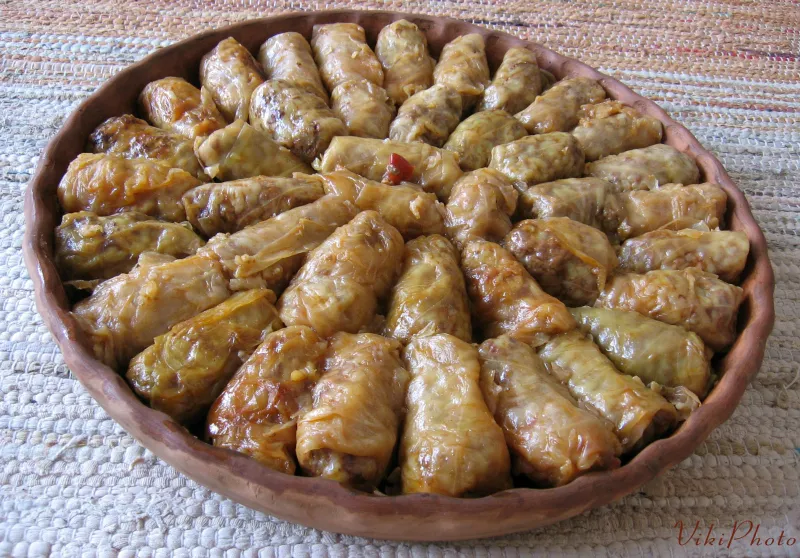
For dishes that require more time and patience, Serbia offers Sarma and Gulaš. Sarma is a classic winter dish consisting of minced meat and rice. They roll this mixture into sour cabbage leaves and cook it slowly for hours. In addition, Gulaš (Goulash), influenced by Hungarian cuisine, is a thick meat stew seasoned with paprika and herbs. People typically serve Gulaš with potatoes or pasta. These dishes form the warm, comforting core of Serbian home cooking.
3. Baked Goods and Sweet Endings
Serbian cuisine boasts a fascinating array of pastries and desserts.
Burek: The Flaky Delight
Burek is a must-try pastry found in bakeries across the Balkans. Serbians often eat it for breakfast. This pastry consists of thin, flaky layers of dough (filo) filled with various ingredients. The most common fillings include meat or cheese (often feta). The best Burek is crispy on the outside and tender and juicy on the inside. People frequently pair it with a glass of yogurt.
Desserts: Turkish and Austrian Influences
Serbian desserts show strong influence from the Ottoman era. For instance, Tulumba (fried dough soaked in sweet syrup) and Baklava (layers of phyllo dough and walnuts) are popular sweet treats. Conversely, the legacy of the Austro-Hungarian Empire is clearly visible in rich cakes like Reform Torta. This is a decadent walnut and chocolate layer cake that often features at celebrations.
Conclusion
Serbian food is a testament to a culture that values hospitality, quality ingredients, and the joy of communal dining. From the smoky delights of Ćevapi to the comforting warmth of Sarma and the sweetness of Baklava, every dish tells a part of Serbia’s complex and delicious history. If you visit this Balkan nation, prepare your palate for a feast that will fill not only your stomach but also your soul.
