
Serbia, a country located at the crossroads of Central and Southeast Europe, possesses a rich social fabric woven from centuries of migration, cultural exchange, and historical shifts. However, like many of its neighbors in the Balkans and Eastern Europe, Serbia currently faces a transformative period regarding its demographics. Understanding the Serbian population requires looking beyond mere numbers; it involves examining the country’s urban-rural divide, its ethnic diversity, and the significant challenges posed by a shrinking and aging society.
In recent decades, Serbia’s population has been on a steady decline. The latest census data reveals a nation grappling with low birth rates and high emigration. This demographic shift is not just a statistical concern but a fundamental issue that impacts the nation’s economy, social security systems, and cultural preservation.
The Current Demographic Reality
As of the most recent estimates in early 2026, the population of Serbia (excluding Kosovo) stands at approximately 6.6 million people. This reflects a significant decrease from the figures recorded at the turn of the century. The primary drivers of this decline are a negative natural increase—meaning deaths outnumber births—and the continued departure of young professionals to Western Europe and North America.
From a statistical perspective, the median age in Serbia is among the highest in Europe, currently exceeding 43 years. This aging trend creates a “top-heavy” population pyramid. As a result, the government faces increasing pressure to fund healthcare and pensions with a shrinking workforce. While the capital city of Belgrade continues to grow due to internal migration, many rural areas in eastern and southern Serbia are witnessing a rapid emptying of villages, a phenomenon locally referred to as “white plague.”
The Vibrant Mosaic of Ethnic Diversity
Despite the overall decline in numbers, Serbia remains an ethnically diverse nation. While Serbs make up the vast majority of the population—roughly 83%—the country is home to numerous minority groups that contribute to its cultural richness.
In terms of composition, the Autonomous Province of Vojvodina in the north is the most diverse region. Here, substantial populations of Hungarians, Slovaks, Croats, Romanians, and Rusyns live alongside the Serbian majority. Additionally, in the south, the Bosniak community is concentrated in the Sandžak region, while Roma and Albanian communities also form significant parts of the social landscape. This diversity is protected by law, and the presence of various languages, religions, and traditions makes Serbia a unique cultural melting pot in the Balkans.
Urbanization and the Rise of Belgrade
Urbanization is a defining characteristic of modern Serbian life. More than half of the population now resides in urban areas, with a massive concentration in the “Golden Triangle” formed by Belgrade, Novi Sad, and Niš.
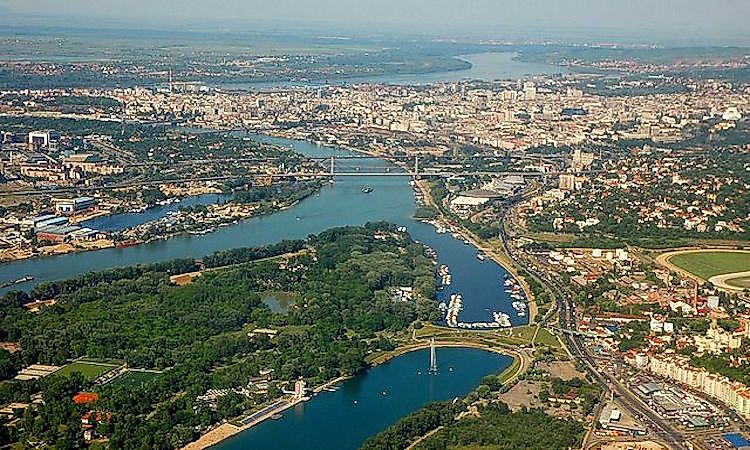
Economically, Belgrade acts as a powerful magnet. It is the administrative, educational, and financial heart of the country, housing nearly 1.7 million people in its wider metropolitan area. Furthermore, the city of Novi Sad has emerged as a major regional IT hub, attracting young talent and slowing down the emigration trend within that specific province. However, this centralization comes at a cost. The concentration of resources in a few cities often leads to regional inequality, leaving smaller towns to struggle with infrastructure and employment opportunities.
The Challenge of Brain Drain and Emigration
One of the most discussed topics in Serbian society is “brain drain.” For years, highly educated young people—doctors, engineers, and researchers—have sought better opportunities abroad.
Socially, this loss of human capital is profound. When the youngest and brightest leave, the country loses its primary drivers of innovation and tax revenue. However, the government has recently introduced various initiatives to reverse this trend. These include tax incentives for returning citizens and support for tech startups. Moreover, the global shift toward remote work has allowed some Serbian expats to return home while maintaining their international careers, a trend that provides a small but hopeful glimmer of “brain gain” for the future.
Government Response and Pronatalist Policies
To combat the shrinking population, the Serbian state has implemented aggressive pronatalist policies. These measures aim to encourage families to have more children by easing the financial burden of parenitus.
Regarding policy, the government provides significant financial grants for the birth of first, second, third, and fourth children. These grants are often accompanied by subsidies for young couples to purchase their first homes, particularly in rural areas. Additionally, improvements in nursery and kindergarten infrastructure are underway to help parents balance work and family life. While these policies are a step in the right direction, experts argue that long-term demographic stability also requires systemic improvements in the rule of law and the general standard of living.
Conclusion
The population of Serbia is at a critical juncture. Through the combination of aging, emigration, and low birth rates, the nation faces a challenging road ahead. Yet, the resilience of the Serbian people and the country’s enduring cultural diversity offer a foundation for renewal.
Ultimately, the future of Serbia’s demographics will depend on the success of economic reforms and the ability to create an environment where young people feel they can thrive. Would you like me to dive deeper into the specific population trends of Belgrade versus rural Serbia, or perhaps provide more details on the tax incentives for returning diaspora members?
