
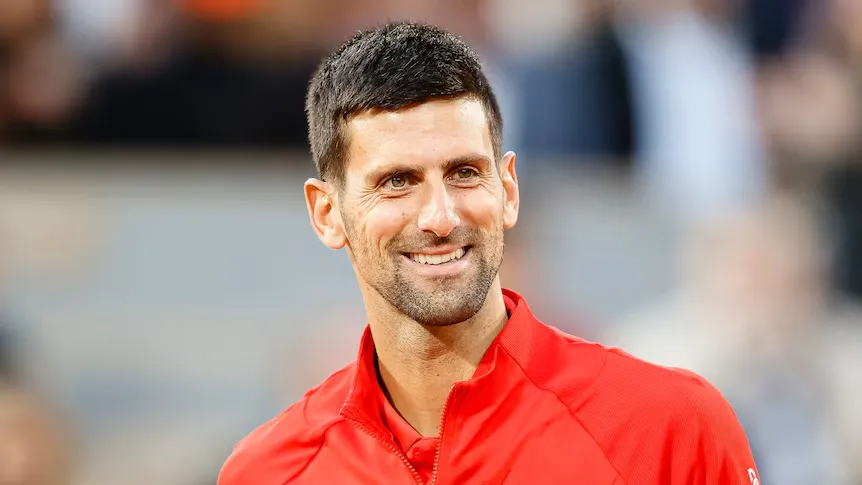
Serbia, a country rich in history, culture, and resilience, has produced an extraordinary number of influential figures who have left an indelible mark on the global stage. From groundbreaking scientists who revolutionized modern technology to world-class athletes who redefined their sports, Serbian talent shines brightly across various fields. Their contributions often go beyond their national borders, shaping international discourse and innovations.
The Serbian spirit is characterized by determination, passion, and a deep sense of heritage. These qualities are evident in the lives and works of its most celebrated individuals. This article will explore the lives and lasting legacies of some of Serbia’s most famous people, covering science, arts, and sports. By examining their stories, we can gain a deeper appreciation for the cultural wealth that this Balkan nation has contributed to the world.
1. Nikola Tesla: The Wizard of Electricity
The name Nikola Tesla is synonymous with genius and modern electrical engineering.
Revolutionizing the Modern World
Born in 1856 in Smiljan (modern-day Croatia, then part of the Austrian Empire), Tesla’s Serbian ancestry is a source of immense national pride. His work on alternating current (AC) systems was revolutionary. In fact, the AC system is the foundation upon which the modern electrical grid is built. Therefore, it is fair to say that Tesla is the man who literally lit up the world.
Visionary and Innovator
Beyond AC, Tesla envisioned and developed technologies far ahead of his time. These include radio technology, remote control, and the idea of wireless power transmission. Although he faced considerable challenges during his lifetime, his legacy has been fully recognized in the 21st century. The unit of magnetic flux density is even named the tesla ($T$) in his honor.
2. Novak Djokovic: The King of Tennis
In the realm of sports, few Serbians have achieved the global dominance of Novak Djokovic.
Defining a Golden Era
Born in Belgrade, Djokovic has established himself as one of the greatest tennis players of all time. He is a major figure of the “Big Three” era of men’s tennis. His career is marked by an unprecedented number of Grand Slam titles and weeks spent as the World No. 1 player. He combines incredible defensive play with aggressive precision.
Resilience and National Pride
Djokovic’s rise to stardom is not just a testament to his athletic prowess, but also to his mental resilience. His success has been a powerful source of national pride for Serbia. He frequently uses his platform to speak about his Serbian roots and to promote philanthropic efforts through the Novak Djokovic Foundation.
3. Marina Abramović: The Mother of Performance Art
Serbia has also made profound contributions to the world of contemporary art.
Pushing Artistic Boundaries
Marina Abramović, born in Belgrade in 1946, is one of the most significant performance artists globally. Her work is known for its extreme physical and mental endurance, exploring themes of pain, endurance, risk, and the relationship between the performer and the audience. Pieces like Rhythm 0 and The Artist is Present have become iconic in modern art history.
A Global Cultural Icon
Abramović forced the art world to re-evaluate the limits of artistic expression. She has influenced generations of artists. Her impact on performance art is undeniable, and she continues to be a vibrant and controversial figure in the international art scene.
4. Mileva Marić: A Pioneer in Physics
Another crucial Serbian figure in science often overlooked is Mileva Marić.
Collaborator in Groundbreaking Physics
Mileva Marić (1875–1948) was a Serbian physicist and the first wife of Albert Einstein. She was one of the few women to study physics and mathematics at Zürich Polytechnic at the turn of the 20th century. Historical debate continues regarding the extent of her contribution to Einstein’s early work, including the Annus Mirabilis papers.
A Symbol of Female Intellectualism
Despite the historical uncertainties, Marić stands as a symbol of early female intellectualism in science. Her story highlights the challenges faced by women in academia during that period. For many Serbians, she represents the untapped potential and brilliance of female scientists.
Conclusion
Serbia contribution to the world is far-reaching and diverse. From the electrical currents imagined by Nikola Tesla to the performance art endurance of Marina Abramović, and the tennis dominance of Novak Djokovic, these figures demonstrate a unique blend of intellect, passion, and unyielding drive. Their legacies not only inspire the next generation of Serbians but also enrich the global tapestry of achievement. Truly, the giants of the Balkans have much to teach the rest of the world.
