
Serbia sits at the heart of the Balkan Peninsula. It serves as a vital bridge between Central and South-Eastern Europe. For centuries, geography has defined Serbia’s role as a major transit hub. Today, the country continues to modernize its infrastructure. It offers many options for travelers and business professionals. This guide explains the local transport landscape, from high-speed trains to expansive highways.
Air Travel: International Gateways
Belgrade Nikola Tesla Airport (BEG) is the main gateway to Serbia. Recently, the airport underwent a major expansion. Under VINCI Airports’ management, it has become a modern regional hub. It connects Belgrade to major cities in Europe, the Middle East, and North America.
Air Serbia is the national carrier. It plays a vital role in regional connectivity. The airline operates a modern fleet. It links Belgrade with direct flights to New York, Chicago, and many European capitals. For those visiting the south, Niš Constantine the Great Airport (INI) is a great alternative. It primarily hosts low-cost carriers connecting Serbia to Western Europe.
The Road Network: Modern Highways
Serbia has invested heavily in roads over the last decade. The country sits on Corridor X. This is one of the most important transport routes in Europe. It connects Salzburg to Thessaloniki, passing directly through Belgrade and Niš.
Key Highway Developments Major projects like the “Miloš the Great” highway (A2) are now complete. This route has slashed travel times between Belgrade and Western Serbia. These modern toll roads feature high-quality asphalt and clear signage. Serbia uses an electronic toll collection (ENP) system. This allows drivers to pass gates without stopping. However, you can still pay with cash or cards.
Intercity Bus Services Buses remain the most frequent mode of transport for locals. Every major town has a dedicated bus station (Autobuska stanica). Companies like Lasta and Niš-Ekspres operate vast networks. They reach even the most remote villages. In Belgrade, the main station (BAS) handles international departures to Montenegro, Bosnia, and Croatia.
The Railway Revolution: High-Speed Success
For years, Serbian trains were slower than those in neighboring countries. Now, the sector is seeing a “Railway Revolution.” The highlight of this change is the high-speed link between Belgrade and Novi Sad.
The “Soko” (Falcon) train connects these two cities in just 36 minutes. It reaches speeds of 200 km/h. This service has changed how people commute. It is now easy to live in one city and work in the other. The government is extending this line toward the Hungarian border. Eventually, it will connect Belgrade to Budapest in under three hours. This high-speed corridor sets a new standard for Balkan travel.
City Mobility: Belgrade and Beyond
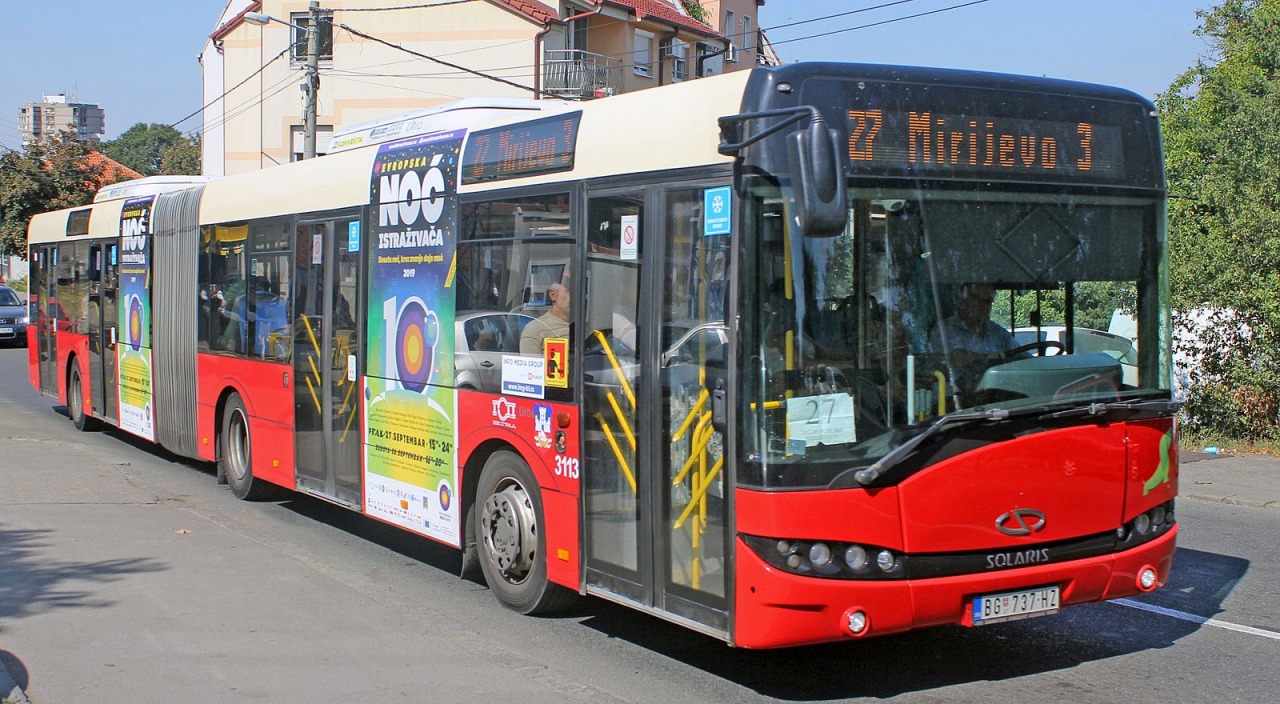
Public transport in Serbian cities is diverse. Belgrade has the most complex system, relying on buses, trams, and trolleybuses.
Public Transport in Belgrade Belgrade uses a modern ticketing system. Passengers can pay via SMS, credit cards, or “Beogradska kartica” smart cards. The city currently lacks a metro, but the “BG Voz” urban rail provides a fast alternative. It uses underground tunnels to bypass heavy traffic. Construction on the first official metro line has finally begun. This project will transform city mobility by the end of the decade.
Taxis and Ride-Hailing Taxis are plentiful and affordable. However, travelers should use official apps like Pink Taxi or Naxis. This ensures fair pricing. While Uber does not operate here, the “CarGo” app is a popular local alternative. It offers transparent pricing and is widely used across the capital.
River Transport: The Blue Highway
The Danube River is a vital transport asset. It is the second-longest river in Europe and flows through the heart of Serbia. The ports in Belgrade and Novi Sad handle millions of tons of goods every year.
Beyond cargo, the river is a growing hub for tourism. During summer, international cruise ships dock at Belgrade and Donji Milanovac. Exploring the Iron Gates (Đerdap Gorge) by boat offers a unique view of the landscape. It is a perspective that road or rail travel simply cannot match.
Conclusion: A Nation in Motion
Transportation in Serbia is evolving fast. Historical routes now meet 21st-century technology. This creates a more connected and efficient nation. Whether you take the Soko train or drive down modern corridors, the network is safer and faster than ever. Serbia’s position as an indispensable transit hub is now stronger than ever before.
