
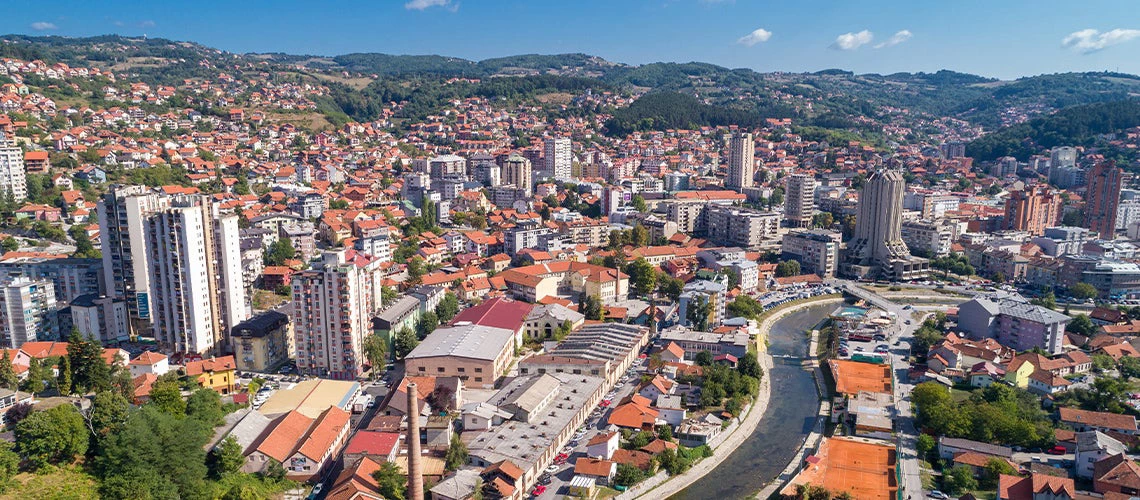
Serbia is a land of profound contrasts, where the rapid pulse of modern European cities meets the slow, rhythmic traditions of the countryside. This duality between urban centers and rural heartlands defines the nation’s identity, economy, and social fabric. As Serbia moves toward a digital and globalized future, the relationship between its bustling metropolitan hubs and its serene villages provides a fascinating study of a country in transition.
For travelers and residents alike, understanding the nuances of Serbia’s urban-rural divide is essential. It reveals a story of resilience, cultural preservation, and the ongoing challenge of balancing progress with heritage.
The Urban Pulse: Belgrade and Beyond
The urban landscape of Serbia is dominated by its “Big Three” cities: Belgrade, Novi Sad, and Niš. These centers serve as the engines of the national economy and the gateways for international influence.
Belgrade, the capital, stands as a sprawling metropolis where ancient history and contemporary lifestyle collide. Known as the “White City,” it sits at the confluence of the Danube and Sava rivers. Here, the pace of life is fast. Residents navigate a landscape of brutalist architecture, glass-walled business districts, and vibrant nightlife. Furthermore, Belgrade has emerged as a regional tech hub, attracting digital nomads and international firms. This urban energy fosters a culture of innovation and cosmopolitanism that feels light-years away from the quiet hills of the south.
Novi Sad, the capital of the northern Vojvodina province, offers a different urban flavor. It is often described as the “Serbian Athens” due to its rich cultural heritage. While it is a modern city with a thriving university scene, it maintains a relaxed, Central European atmosphere. In contrast to the chaotic energy of Belgrade, Novi Sad emphasizes high-quality urban living, pedestrian-friendly streets, and a deep appreciation for the arts.
The Rural Heart: Tradition and the Soil
Moving away from the highways and city limits, the Serbian countryside begins to reveal itself. The rural landscape is characterized by rolling hills, vast agricultural plains, and small, tightly-knit communities. For many Serbians, the village (selo) is not just a place on a map; it is the source of their family history and cultural soul.
In the northern plains of Vojvodina, the rural lifestyle revolves around large-scale agriculture. The fertile soil supports endless fields of sunflowers, corn, and wheat. Life here follows the seasons, and the architecture reflects a history of Austro-Hungarian influence, with colorful houses and wide village squares.
In the mountainous south, the rural experience is more rugged. Villages are often perched on hillsides, surrounded by dense forests and orchards. This region is the heart of Serbia’s fruit production, specifically plums and raspberries. Notably, the traditions of hospitality remain strongest here. A visitor to a rural Serbian household is almost always greeted with homemade rakija (fruit brandy), organic honey, and local cheeses. By maintaining these customs, rural communities preserve a sense of authenticity that urban areas often lose.
The Gap: Challenges of Migration and Development
Despite the cultural richness of the countryside, Serbia faces a significant urban-rural divide. This gap is primarily driven by economic opportunities and the search for a higher standard of living.
For decades, young people have migrated from villages to cities like Belgrade or sought opportunities abroad. This trend has led to the “emptying” of many rural areas, leaving behind aging populations and abandoned farmsteads. Consequently, the government and various organizations are now focusing on rural revitalization. Through subsidies for young farmers and the promotion of rural tourism, there is an effort to make village life viable for the next generation.
Moreover, the infrastructure gap remains a hurdle. While cities enjoy high-speed internet and modern public transport, some remote villages still struggle with basic services. However, the rise of remote work is beginning to change the narrative. Some urban professionals are now choosing to relocate to the countryside, seeking fresh air and lower costs while staying connected to the global market via the internet.
The Bridge: Rural Tourism and Gastronomy
One of the most successful bridges between urban and rural Serbia is the booming industry of “ethno-tourism.” Urban dwellers, tired of the concrete jungle, increasingly flock to rural households for weekend getaways.
Through this trend, farmers have converted traditional wooden houses (vajati) into guest accommodations. These ethno-villages allow visitors to experience traditional crafts, horseback riding, and home-cooked meals. Additionally, the Serbian culinary scene relies heavily on this urban-rural connection. The finest restaurants in Belgrade pride themselves on sourcing meat, dairy, and wine directly from small rural producers. Therefore, the survival of the village is intrinsically linked to the prestige of urban dining.
Conclusion
Serbia’s urban and rural worlds are two sides of the same coin. The cities provide the ambition and the vision for the future, while the villages provide the roots and the values that keep the nation grounded. Through a balanced approach to development, Serbia can ensure that its metropolitan centers continue to grow without leaving its beautiful countryside behind.
Ultimately, the beauty of Serbia lies in this very transition. You can spend your morning in a high-tech Belgrade office and your evening by a wood-burning stove in a mountain village. By embracing both the urban and the rural, Serbia maintains a rich, multi-dimensional identity that is unique in the Balkans.
