
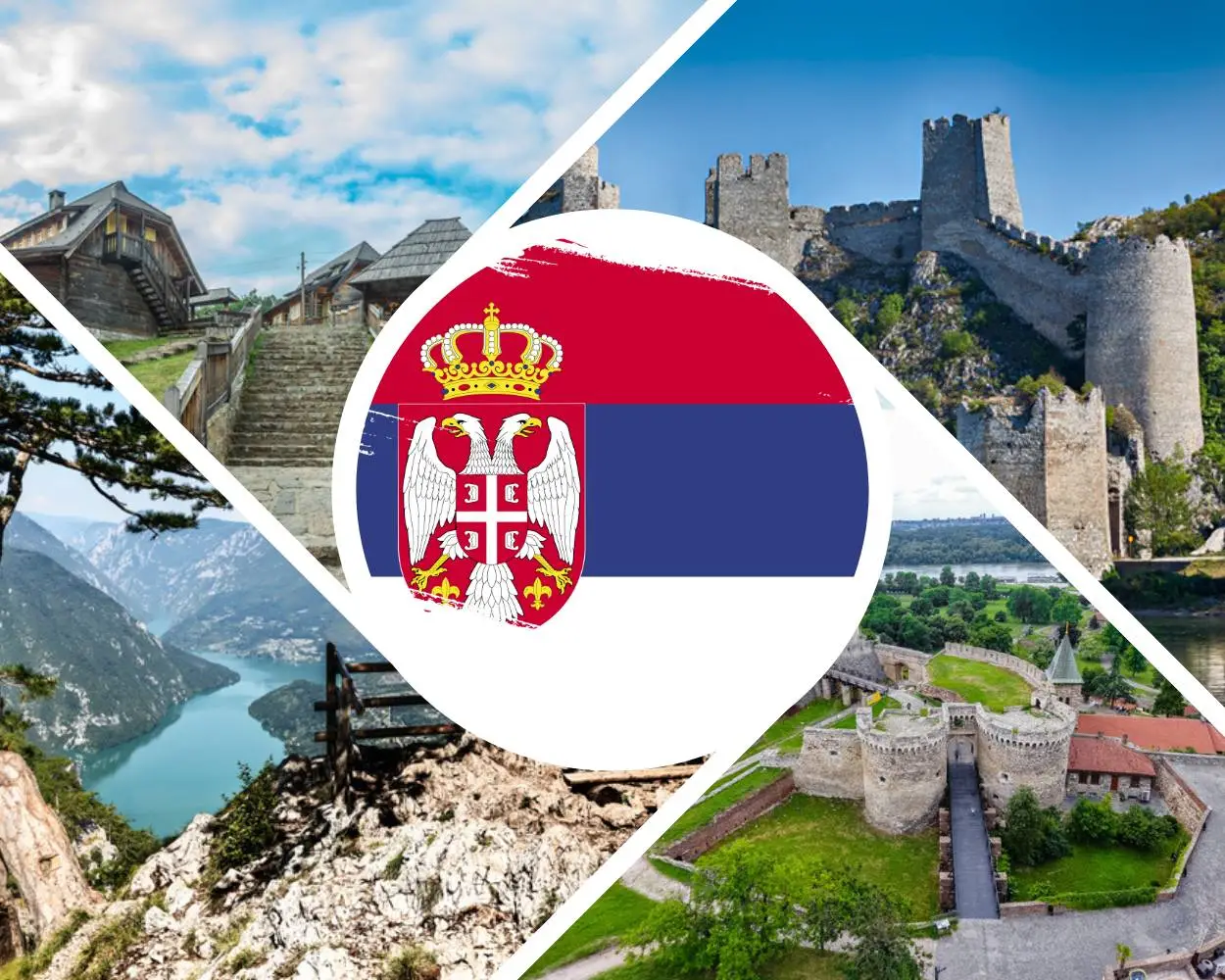
Serbia sits at a geographical crossroads in Southeastern Europe, located in the heart of the Balkan Peninsula. Because of its unique position between the Mediterranean Sea, the Alps, and the vast Pannonian Plain, the country experiences a diverse and fascinating climate. Whether you are a traveler planning a visit or a student of geography, understanding the climatic patterns of Serbia is essential for grasping the lifestyle and ecology of this resilient nation.
Generally, Serbia possesses a continental climate with distinct seasonal shifts. However, the diverse topography—ranging from flat plains in the north to high mountains in the south—creates significant regional variations. This article explores the characteristics of Serbia’s climate, its seasonal transitions, and how environmental changes are shaping the future of the region.
The Geographical Influence on Weather
Two major factors dictate Serbia’s weather patterns: the Pannonian Plain in the north and the mountain ranges in the central and southern parts. Specifically, the north is open to cold air masses from Northern and Eastern Europe. Without mountain barriers to block the wind, the Vojvodina region often experiences harsh winters and hot, dry summers.
In contrast, the central and southern regions feature hills and high mountains like the Dinaric Alps and the Balkan Mountains. These elevations influence local temperatures and precipitation levels. Furthermore, while Serbia is landlocked, its proximity to the Adriatic and Mediterranean seas brings occasional humid air masses that temper the climate, particularly in the southwest.
The Four Seasons in Serbia
Serbia experiences four clearly defined seasons, each bringing a total transformation to the landscape and the daily lives of its citizens.
1. Winter (December to February)
Winters in Serbia are typically cold and often snowy. Temperatures frequently drop below freezing, especially in January. One unique phenomenon during this time is the “Košava” wind. This cold, gusty southeastern wind originates from the Carpathian Mountains and can last for several days, significantly lowering the perceived temperature in Belgrade and northern Serbia.
2. Spring (March to May)
Spring is a season of rapid transition. Usually, March begins with lingering winter chills, but by May, the countryside turns lush and green. This period brings moderate rainfall, which is vital for Serbia’s vast agricultural sector. Indeed, spring is often considered the most beautiful time to visit the Serbian highlands.
3. Summer (June to August)
Summers are hot, with temperatures often exceeding 30°C. In the northern plains, heatwaves can push temperatures even higher, sometimes reaching 40°C. Consequently, many residents flee the cities for the cooler mountain retreats of Zlatibor or Kopaonik. Summer also brings occasional heavy thunderstorms, which provide necessary relief from the heat.
4. Autumn (September to November)
Autumn is generally stable and pleasant, characterized by a phenomenon known as “Miholjsko Leto” (Indian Summer). Specifically, October often sees warm, sunny days and cool nights. This stable weather is crucial for the grape harvest in Serbia’s famous wine regions like Topola and Fruška Gora.
Regional Variations: North vs. South
The climate disparity between the northern and southern parts of the country is quite noticeable. In the North (Vojvodina), the climate is strictly continental. The flat terrain allows for extreme temperature shifts. Winters are biting, and summers are scorching. Precipitation is lower here compared to the rest of the country.
In the South and Southwest, the elevation changes the game. Mountainous areas receive significantly more snowfall and rain. Specifically, regions like Sjenica are known as the “Siberia of Serbia” because they record the lowest temperatures in the country during winter. On the other hand, these altitudes provide a much fresher and more temperate climate during the peak of summer, making them popular tourist destinations.
Climate Change and Its Impact
Like the rest of the world, Serbia is facing the realities of a changing climate. Over the past few decades, meteorological data shows a steady increase in average annual temperatures. Consequently, the frequency of extreme weather events has risen.
Specifically, Serbia has dealt with severe droughts that threaten agricultural yields, as well as catastrophic flooding, such as the historic floods of 2014. Sebab, these changes directly impact the economy and food security, the Serbian government is increasingly focusing on climate adaptation strategies. Indeed, reforestation efforts and improved water management systems have become national priorities to mitigate the risks of future environmental disasters.
Practical Tips for Visitors
If you are planning a trip to Serbia, your packing list should reflect the seasonal intensity. First, if you visit in winter, high-quality thermal layers and windproof jackets are essential to combat the Košava wind. Second, summer travelers should carry lightweight, breathable clothing but also a sturdy umbrella for sudden afternoon storms.
Regarding the best time to visit, May, June, and September offer the most balanced weather. During these months, you can enjoy outdoor festivals and hiking without the extreme heat of July or the freezing snows of January. Indeed, understanding these patterns ensures that your experience in the Balkans is both comfortable and memorable.
Conclusion
Serbia’s climate is a reflection of its complex geography and its position as a bridge between different worlds. Through its freezing winters and sun-drenched summers, the climate shapes the character of the land and its people. Ultimately, whether it is the golden autumns of the vineyards or the snowy peaks of the south, Serbia offers a climatic experience that is as diverse as its history.
On a final note, as the world grapples with environmental shifts, protecting the natural balance of the Serbian climate becomes more important than ever. With continued efforts in sustainability, this beautiful Balkan nation will remain a land of four vibrant and distinct seasons for generations to come.
