
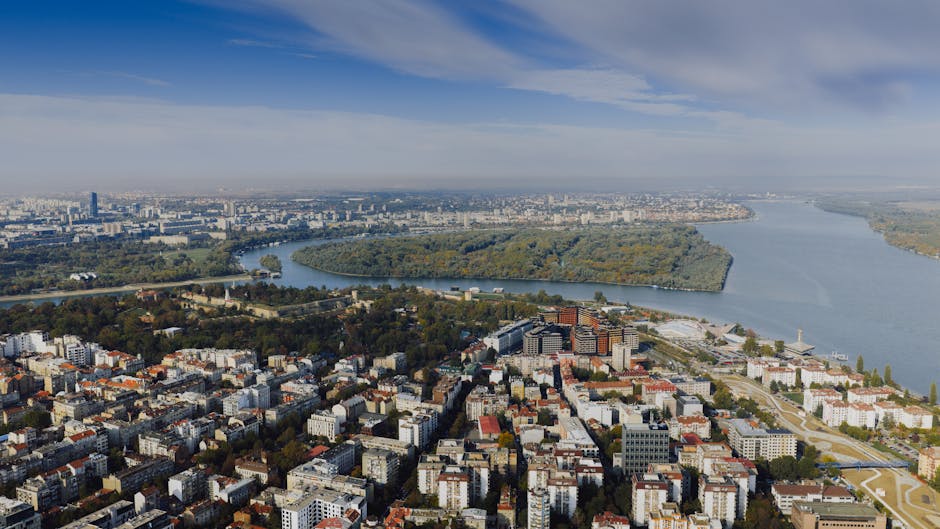
Every society carries a set of narratives that shape its identity, and The Cultural Stories That Define a Nation are central to how people see themselves. In many places these tales include myths, historical epics, and everyday customs that pass from generation to generation. Different communities emphasize varied aspects, but the effect on national character is profound.
Stories about origin, struggle, and triumph often serve as a shared language for citizens. In addition to oral tales, written histories and commemorations reinforce collective memory. These narratives provide context for national symbols and influence contemporary conversations about identity.
Myths, Legends, and Collective Memory
Myths and legends offer an emotional map that communities use to explain the past. Many of these accounts mix historical fact with symbolic meaning, making them resonant rather than strictly factual. As a result, they help people interpret current events through the lens of familiar themes.
Rituals, Festivals, and Everyday Practice
Public rituals and private ceremonies both play a practical role in preserving cultural stories. For many people, seasonal festivals and family traditions act as living reminders of shared values and histories. Over time, these practices become woven into the national fabric and influence how people relate to one another.
Material Culture: Clothing, Food, and Design
Material culture often expresses stories in tangible ways, especially through clothing and cuisine. For example, traditional dress and popular fashion trends can reference historical events or regional identities. Many communities also use culinary customs and decorative arts to keep stories alive and visible.
Further Discussion
This section helps keep the article organized, easy to read, and comfortable for readers who want a smoother understanding of topics related to Serbia.
Fashion and Wardrobe as Storytelling
Clothing styles and outfit ideas frequently reflect deeper narratives about class, region, or belief. In some cases, a particular garment becomes a symbol of resistance, pride, or belonging. Meanwhile, contemporary designers may adapt wardrobe essentials into modern fashion pieces that carry historic references forward.
Home, Architecture, and Public Spaces
Architectural choices and urban planning tell stories about a nation’s priorities and past. Older buildings and monuments can anchor public memory, and new developments often reference those legacies. Consequently, spaces where people live and gather become stages for cultural storytelling.
Media, Education, and the Transmission of Stories
Schools, films, and books shape which cultural stories receive emphasis and which fade away. In many countries, curriculum choices determine how young people understand national history. On the other hand, popular media can reinterpret old stories and introduce them to new audiences.
The Role of Education and Museums
Museums and classrooms curate stories in ways that can either unite or divide public sentiment. For many educators, choosing which narratives to highlight is a careful balance. These institutions contribute to a shared sense of identity by contextualizing artifacts and accounts.
Contemporary Voices and Changing Narratives
New generations often revisit older tales and craft fresh meanings from them. Social movements and artists frequently reinterpret traditions to address present concerns. As a result, The Cultural Stories That Define a Nation continue to evolve rather than remain static.
Why Stories Matter for Social Cohesion
Cultural narratives create common reference points that help people cooperate and empathize with one another. In addition, they provide frameworks for civic values and collective obligations. When stories are inclusive, they encourage broader participation in national life.
Further Discussion
This section helps keep the article organized, easy to read, and comfortable for readers who want a smoother understanding of topics related to Serbia.
Leaders and citizens alike have a role in preserving meaningful stories while allowing room for critical reflection. Not only does this foster respect for diverse experiences, but it also strengthens democratic conversation. Ultimately, The Cultural Stories That Define a Nation are living frameworks that guide both memory and aspiration.
Understanding how myths, rituals, fashion, and institutions interact helps explain why some nations feel cohesive and others fractured. For many people, recognizing these dynamics is the first step toward more thoughtful cultural stewardship. In the end, stories matter because they connect private lives to public history and shape the way a nation remembers itself.
This section helps readers understand The Cultural Stories That Define a Nation more clearly in the context of Serbia, its culture, travel appeal, and everyday lifestyle.
Overall The Cultural Stories That Define a Nation can be seen as an important topic because it connects history, culture, travel experiences, and the character of everyday life in Serbia.
