
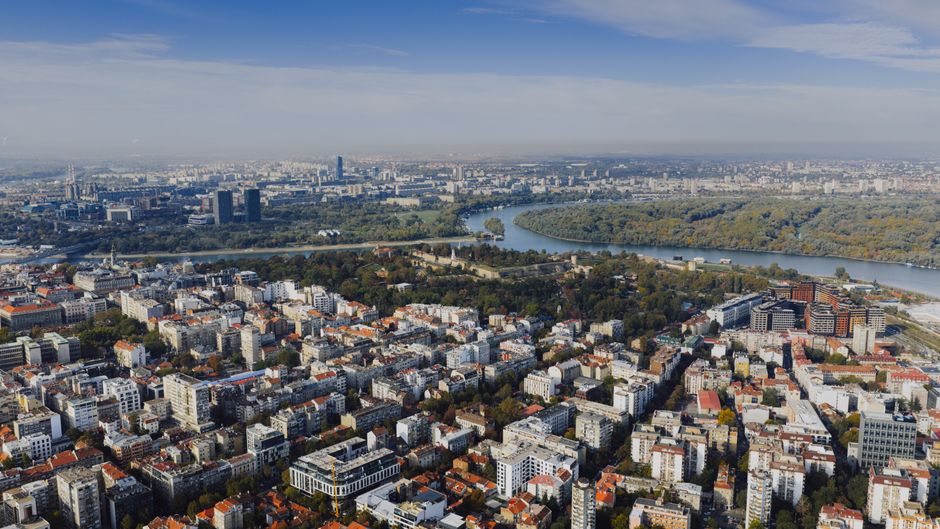
The Power of Togetherness: Inside Serbia’s Community Movement shows how local people combine culture, care, and creativity to solve shared problems. In many neighborhoods, neighbors organize cleaning days, pop-up markets, and skill exchanges that strengthen social bonds. These efforts often blend practical help with uplifting events that encourage pride and mutual support.
Across towns and villages, volunteers coordinate projects that range from urban gardening to youth mentoring programs. Not only do these activities meet immediate needs, but they also create lasting networks of trust and cooperation. The movement highlights how ordinary actions can scale into meaningful change when people choose to work together.
Origins and local leadership
Many initiatives began as small experiments led by residents who wanted to improve everyday life. In addition to grassroots organizers, local businesses and cultural groups often step in to provide resources and venues. Over time, collaborative leadership models replaced top-down approaches and created more resilient solutions.
Events that bring people together
Pop-up festivals and neighborhood swaps are common ways to engage new participants. Meanwhile, educational workshops on topics like repair skills and sustainable living attract diverse audiences. These gatherings also offer casual opportunities for style inspiration and personal styling tips influenced by local traditions.
How community energy informs style and lifestyle
Community projects in Serbia often intersect with fashion and sustainable wardrobe ideas. For many people, repair cafes and clothing swaps provide practical ways to refresh outfits while reducing waste. On the other hand, small collective design studios are turning local crafts into modern fashion pieces that celebrate regional identity.
Further Discussion
This section helps keep the article organized, easy to read, and comfortable for readers who want a smoother understanding of topics related to Serbia.
Fashion lessons from collaboration
Collaborative events teach easy wardrobe essentials such as mixing classic pieces with handmade accessories. Many people also feel more confident trying new color combinations after seeing peers embrace bold local patterns. In some cases, mentoring sessions include simple self care routines and tips for maintaining garments longer.
Organizers emphasize inclusion and accessibility so fashion activities stay welcoming for everyone. Not only that, volunteers create guides for sustainable fashion community practices that help attendees make mindful choices. These guides often include outfit ideas for different occasions built from versatile pieces.
Practical tips to get involved
If you want to join, start by attending a local meeting or community fair to meet organizers and volunteers. In addition, contributing a small skill or item for a swap can open doors to new friendships and collaborations. For newcomers, observing and listening during early events helps build trust and find suitable ways to contribute.
Many people report that involvement leads to unexpected benefits like improved mental wellbeing and stronger neighborhood ties. Meanwhile, exchanging practical advice on makeup styles or skincare routines at informal meetups creates a relaxed and social learning environment. These interactions often spark future projects that combine lifestyle habits with community goals.
Measuring impact and looking ahead
Local leaders track outcomes through simple surveys and community feedback sessions to understand what works and what needs change. On the other hand, some groups partner with academics to document social and economic benefits more formally. This mix of informal evaluation and strategic planning helps sustain momentum and attract new volunteers.
Further Discussion
This section helps keep the article organized, easy to read, and comfortable for readers who want a smoother understanding of topics related to Serbia.
The Power of Togetherness: Inside Serbia’s Community Movement demonstrates that collective action can reshape urban and rural life in tangible ways. Not only does the movement address immediate needs, but it also fosters creativity, shared identity, and practical skill-sharing that improve daily living. In closing, the ongoing work across Serbia offers a model for how neighbors can build stronger, more stylish, and sustainable communities together.
This section helps readers understand The Power of Togetherness: Inside Serbia’s Community Movement more clearly in the context of Serbia, its culture, travel appeal, and everyday lifestyle.
Overall The Power of Togetherness: Inside Serbia’s Community Movement can be seen as an important topic because it connects history, culture, travel experiences, and the character of everyday life in Serbia.
