
Serbia holds a complex position on the global migration map. It sits at the heart of the Balkan Peninsula. This location makes the country a primary transit hub for people seeking safety in Europe. Over the last decade, the “Balkan Route” has become a major corridor. Many people flee conflict and poverty from the Middle East, North Africa, and South Asia through this path.
Most migrants view Serbia as a temporary stop. They usually want to reach the European Union. However, the reality of seeking asylum in Serbia is difficult. It involves complex laws, humanitarian efforts, and social challenges. This article explores the legal process and the hurdles faced by those navigating the system.
The Legal Framework for Asylum
Serbia has a formal system to handle international protection. The Law on Asylum and Refugees governs this process. These rules align with the 1951 Refugee Convention and European Union standards.
Under the law, individuals can seek asylum at the border or inside the country. Once they declare this intent, the state registers them. They are then sent to a government-run asylum center. Following registration, the applicant must submit a formal application. The Serbian Asylum Office then interviews them. This interview determines if the claim is valid. The system aims to find those in genuine need. However, the process is often slow and administratively difficult.
Reception Conditions and State Support
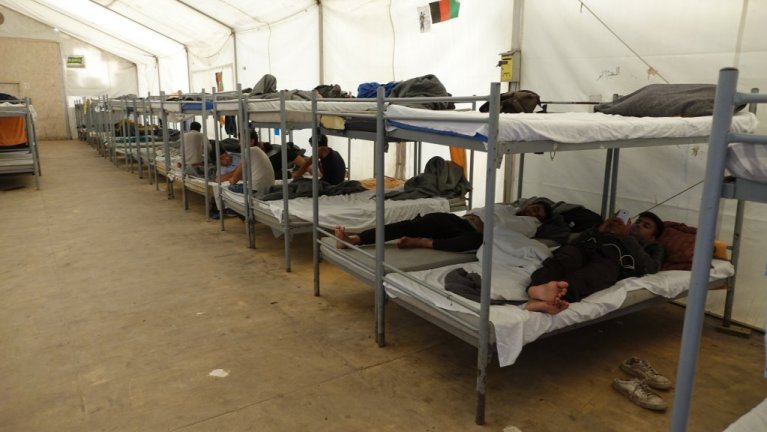
The Serbian government manages several reception centers. The Commissariat for Refugees and Migration (SCRM) runs these facilities. They provide basic needs like shelter, food, and medical care.
In terms of infrastructure, the quality of these centers varies. Some centers have modern facilities. These often provide extra support for families or children traveling alone. Furthermore, asylum seekers have the right to healthcare and basic education. However, the system faces pressure during high migration flows. Consequently, international groups like the UNHCR play a vital role. They provide legal aid and support that the state cannot always afford.
Transit vs. Integration
A major challenge in Serbia is the “transit mindset.” Most asylum seekers do not want to stay in Serbia long-term. Their main goal is to reach countries like Germany or Austria.
Because of this, many people avoid the formal asylum process. They fear that registration in Serbia will hurt their future applications in the EU. This leads to a dangerous situation. Thousands of people live in “informal” settings, such as abandoned buildings or forests. These people are vulnerable to human traffickers and extreme weather. It remains a persistent humanitarian concern for local authorities.
Challenges in the Integration Process
A small percentage of people choose to stay and integrate into Serbian society. This path is very difficult. Integration requires economic independence and social inclusion.
- Language Barriers: Serbian is a difficult language to learn. However, it is essential for finding a good job.
- Labor Market Access: Asylum seekers can only work after a certain period. Finding employers willing to handle the extra paperwork is also hard.
- Social Acceptance: Many Serbians are empathetic. However, xenophobia and misinformation can still block social integration.
The Impact of Border Policies
Border policies in neighboring countries heavily affect Serbia. Hungary and Croatia have fortified their borders with fences. The practice of “pushbacks” has also created a bottleneck effect.
As borders close, more people become stranded in Serbia for longer periods. Ini puts a strain on the country’s housing capacity. It also increases the power of smuggling networks. Moreover, the lack of legal paths to the EU forces people to take dangerous routes. Ultimately, Serbia acts as a buffer zone while waiting for a unified European solution.
The Role of Civil Society
Despite these hurdles, Serbian civil society remains very active. Local NGOs work hard to provide aid and defend the rights of asylum seekers. These groups are often the first point of contact for newcomers. They offer information in many languages and help with legal issues.
By fostering dialogue, these groups help reduce stigma. Their work proves that human compassion is still a powerful force on the ground.
Conclusion
The story of asylum seekers in Serbia shows great resilience. Through the collaboration of state and humanitarian groups, the country provides a vital safety net.
Ultimately, the situation in Serbia is part of a global shift. It shows the need for a fair way to share responsibility for displaced persons. Consider learning more about relief agencies in the Balkans. Supporting these efforts ensures that every individual is treated with dignity while seeking a home.
