
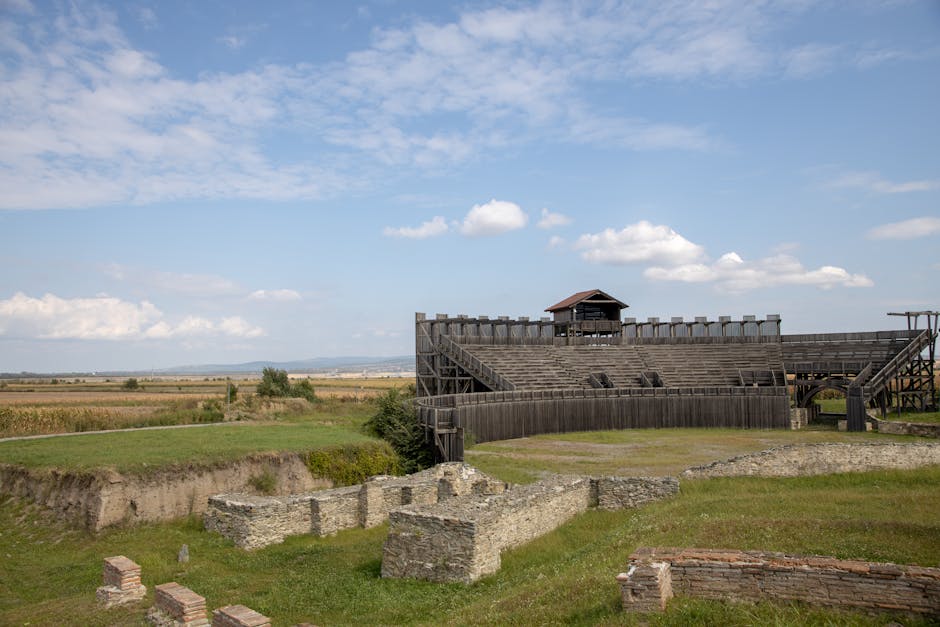
This Place Is a Goldmine of Serbian History and Art and it welcomes visitors with layers of stories and stunning visual heritage. The site combines well-preserved architecture and intimate galleries that reward curiosity. Many travelers find the atmosphere both scholarly and deeply human, inviting slow exploration.
Why This Place Is a Goldmine of Serbian History and Art
Understanding why this destination stands out begins with its continuous cultural presence over centuries. In addition, the combination of sacred spaces and domestic artifacts creates a broad narrative that is rare to find in a single location. The collection highlights shifting tastes and political changes, and it gives visitors tangible connections to the past.
Historical roots and significance
The origins of these treasures date back to medieval times and reflect diverse regional influences. Many of the objects were produced by local workshops and international artisans who contributed to a distinct Serbian visual language. Over time, preservation efforts have uncovered layers that reveal how communities lived and worshipped.
Art lovers will be struck by the frescoes that have survived in surprising condition despite centuries of wear. Not only are these murals valuable for their pigments and technique, they also narrate stories of saints, battles and daily life. As a result, researchers and visitors alike can trace stylistic shifts and cultural exchanges in a single visit.
Collections, frescoes and artistic treasures
The museum spaces hold icons, textiles and metalwork that showcase technical skill and devotional practice. For many people, seeing an original icon up close creates a direct link to religious traditions and artistic devotion. Moreover, guided talks explain symbolism that might otherwise be overlooked by casual visitors.
Further Discussion
This section helps keep the article organized, easy to read, and comfortable for readers who want a smoother understanding of topics related to Serbia.
Curated exhibits and restoration efforts
Conservation teams work quietly to stabilize paintings and objects, ensuring future generations can appreciate them. Many restoration projects also reveal hidden layers beneath later overpainting, which changes how historians interpret scenes and production methods. Visitors interested in craft and technique often time their visits to catch demonstrations or short lectures.
Planning a visit is simple when you know what to expect, and the site offers clear signage and helpful staff. Meanwhile, peak viewing times tend to be mid-morning and late afternoon, which avoids crowds and gives better light for photographing details. Ticketing often includes access to temporary exhibits, so checking schedules in advance rewards curious travelers.
Local shops and small cafes nearby provide chances to reflect on what you have seen without rushing back to the city. On the other hand, wandering the surrounding streets reveals contemporary creativity influenced by traditional motifs. Many designers draw inspiration from this heritage for modern fashion pieces and home decor, merging old techniques with new aesthetics.
Whether you are a serious scholar or a casual visitor, this place offers layers of discovery that invite return visits. The combination of accessible interpretation and deep collections means each trip can focus on a different theme, from iconography to social history. In the end, the experience rewards attention and a readiness to listen to the stories embedded in stone and pigment.
Further Discussion
This section helps keep the article organized, easy to read, and comfortable for readers who want a smoother understanding of topics related to Serbia.
Practical tips for visitors
Arrive prepared with comfortable shoes and a modest itinerary that allows slow pacing through exhibits. In addition, carrying a small notebook or using a camera helps record details that merit further research or inspiration. Lastly, consider joining a guided tour to unlock deeper context that transforms objects into living history.
Overall, this destination proves why collectors, historians and travelers praise its offerings as uniquely rich. Many people come away surprised by the breadth and depth of material on display. Clearly, a visit here becomes not just a tour, but a meaningful encounter with Serbian heritage and artistic achievement.
