
In the global marketplace, the quality and safety of products and services are non-negotiable. To ensure that businesses meet these high standards, countries establish rigorous oversight systems. Serbia is no exception. As the country continues to align itself with European Union (EU) regulations and global trade requirements, the role of accreditation has become more vital than ever.
Accreditation in Serbia serves as the backbone of the nation’s quality infrastructure. It provides a formal recognition that an organization is competent to perform specific tasks, such as testing, inspection, or certification. This article explores the structure of Serbia’s accreditation system, its alignment with international standards, and why it matters for both local businesses and foreign investors.
The Role of the Accreditation Body of Serbia (ATS)
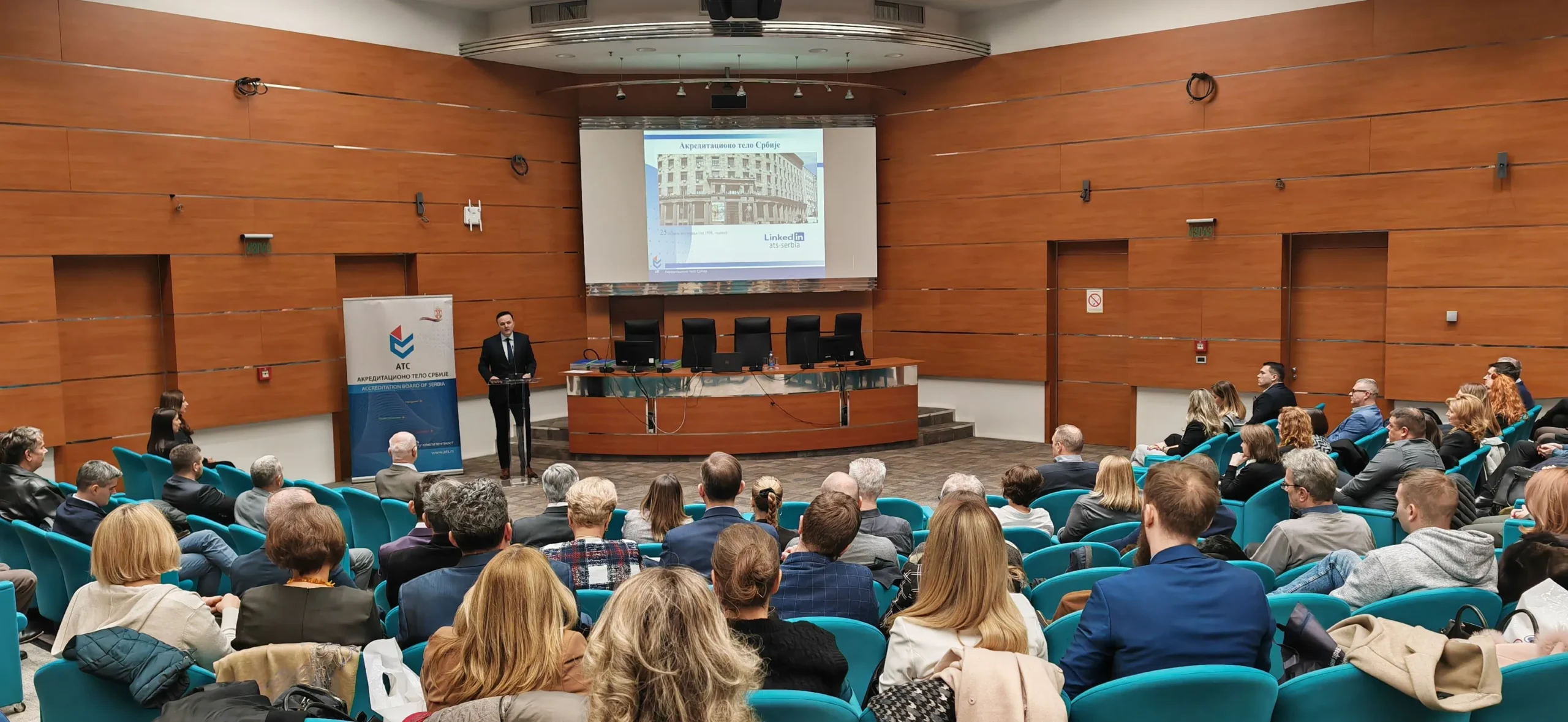
The central authority responsible for these activities is the Accreditation Body of Serbia, commonly known as ATS. Established as a non-profit institution, ATS operates under the Law on Accreditation. Its primary mission is to assess and monitor the competence of conformity assessment bodies.
Specifically, ATS evaluates laboratories, certification bodies, and inspection bodies to ensure they operate with integrity and technical expertise. When a laboratory in Belgrade or a certification firm in Novi Sad carries the ATS mark, it signifies that their results are reliable and accurate. Furthermore, ATS plays a crucial role in protecting consumers by ensuring that products entering the Serbian market meet essential safety and health requirements.
Alignment with European and International Standards
One of the most significant achievements of the Serbian accreditation system is its international recognition. Serbia is a full member of the European Co-operation for Accreditation (EA) and a signatory to the Multilateral Agreement (MLA).
This means that certificates and test reports issued by ATS-accredited bodies are recognized across Europe and much of the world. For Serbian exporters, this is a massive advantage. If a Serbian food producer tests their products in an ATS-accredited lab, they do not need to repeat those tests when shipping to Germany or France. By removing these technical barriers to trade, the accreditation system saves businesses significant time and money.
Additionally, Serbia adheres to international ISO standards. Laboratories typically seek accreditation under ISO/IEC 17025, while management system certification bodies follow ISO/IEC 17021. This strict adherence to global norms ensures that Serbia’s quality infrastructure remains modern and competitive.
Why Accreditation Matters for Different Sectors
Accreditation is not just a bureaucratic requirement; it is a tool for economic development. Different sectors in Serbia rely on this system to maintain high performance and public trust.
- Healthcare and Food Safety: Accredited medical laboratories ensure that patient diagnoses are based on accurate data. In the agricultural sector, accreditation ensures that pesticides and additives stay within safe limits, protecting both local consumers and international buyers.
- Manufacturing and Construction: Inspection bodies verify that building materials and industrial machinery meet technical specifications. This prevents accidents and ensures the longevity of infrastructure projects across the country.
- Environmental Protection: Accredited bodies monitor air and water quality. Their data allows the government to create effective environmental policies based on proven facts rather than estimates.
Through these diverse applications, accreditation creates a “culture of quality” that permeates the entire Serbian economy.
The Process of Obtaining Accreditation in Serbia
For a business or laboratory, obtaining accreditation is a rigorous but rewarding journey. The process typically begins with an internal audit where the organization aligns its management system with the relevant international standard.
Next, the organization submits a formal application to ATS. A team of expert assessors then conducts an on-site evaluation. They do not just look at paperwork; they observe technical procedures, interview staff, and check the calibration of equipment. If the organization meets all criteria, ATS grants accreditation for a specific scope. However, the work does not end there. ATS performs regular surveillance visits to ensure that the body maintains its high standards over time. This continuous monitoring ensures that “quality” is a permanent state, not a one-time achievement.
Future Trends: Digitalization and Green Energy
As the world moves toward a digital and green economy, Serbia’s accreditation system is evolving. ATS is increasingly focusing on the digitalization of the accreditation process to make it faster and more transparent.
Moreover, new accreditation schemes are emerging in the fields of renewable energy and carbon footprint verification. As Serbia invests more in wind and solar power, accredited bodies will be necessary to verify the efficiency and safety of these new technologies. By staying ahead of these trends, Serbia ensures that its industrial sector remains relevant in a rapidly changing global landscape.
Conclusion
Serbia’s accreditation system is a silent but powerful engine for growth. It bridges the gap between local production and global expectations. Through the dedicated work of the Accreditation Body of Serbia (ATS), the country has built a system that fosters trust, encourages innovation, and facilitates international trade.
Ultimately, whether you are a consumer looking for safe products or a business owner aiming for the European market, the ATS mark is your guarantee of excellence. Consider exploring how accredited services can add value to your professional projects, as they represent the highest level of technical competence in the Republic of Serbia.
