
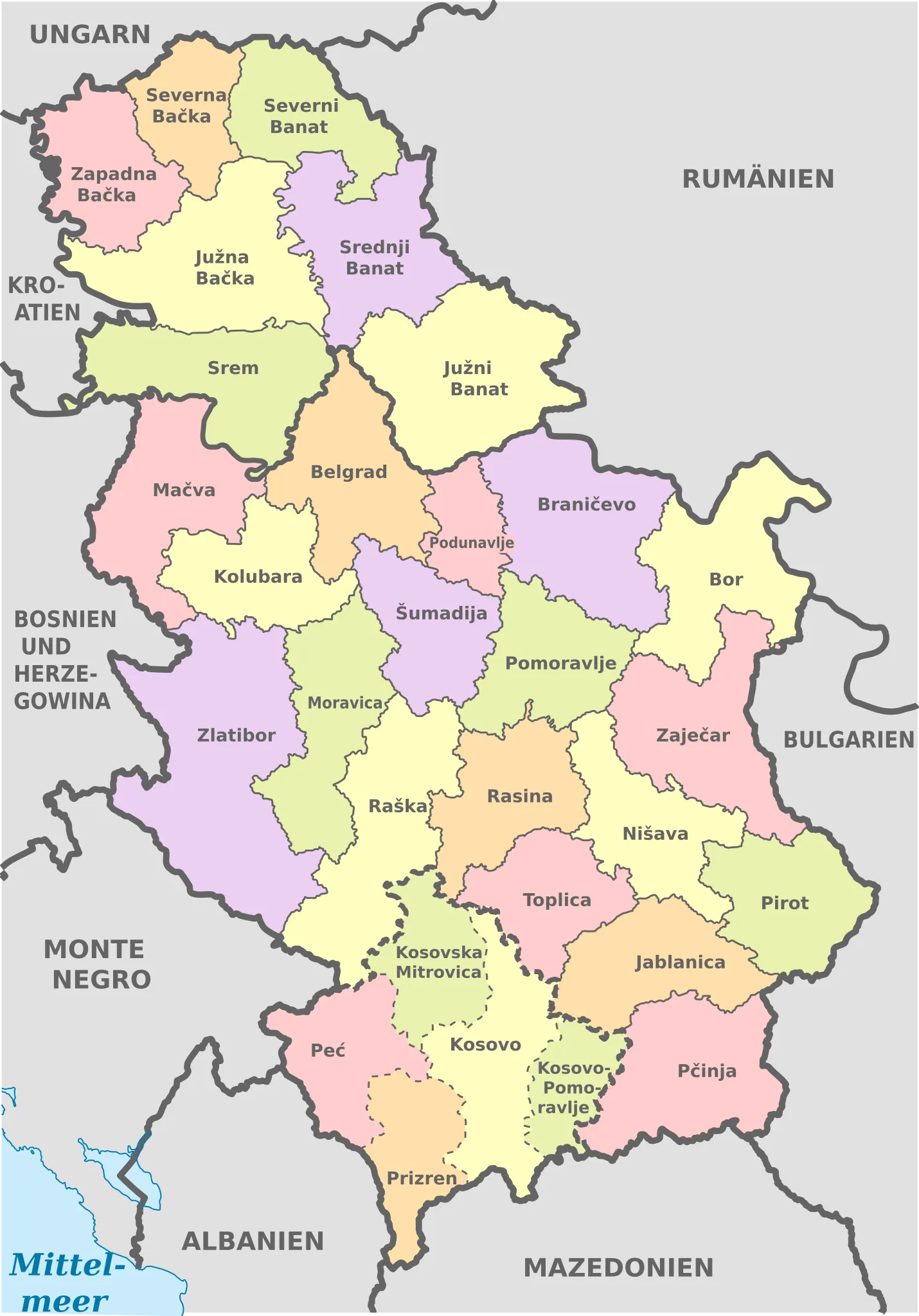
Serbia organizes its territory through a structured system of administrative districts. While travelers often focus on the energy of Belgrade or the history of Novi Sad, these districts form the backbone of the country’s daily operations. They ensure that public services work effectively for every citizen across the nation.
In Serbia, people call these districts “upravni okruzi.” These units act as the primary link between the central government and local municipalities. They are not independent governments with elected assemblies. Instead, they serve as regional centers for state administration. This article explores how these districts function and how they define Serbia’s regional identity.
1. Structure and Purpose of the Districts
Serbia maintains 29 administrative districts. The City of Belgrade stands apart from this list because it holds a special autonomous status as the capital. The government groups these districts into five statistical regions, including Vojvodina and Southern Serbia.
Bringing the State Closer to People
The district system brings the central government closer to its citizens. The government appoints a head for each district, known as the “Načelnik okruga.” This official coordinates state inspections and ensures that every municipality follows national laws uniformly. This structure allows the state to maintain oversight without handling every small task in the capital city.
2. The Autonomous Province of Vojvodina
The Autonomous Province of Vojvodina dominates the northern part of the country. This region is unique because it operates its own provincial government and assembly. Vojvodina contains seven administrative districts, including North Bačka and Srem.
Economic and Cultural Hubs
Vojvodina’s districts are famous for their fertile plains and multicultural heritage. For example, the South Bačka District centers around Novi Sad and serves as a major industrial hub. The administration here focuses on agriculture and cross-border cooperation with European Union neighbors. These districts also protect the rights of over 26 different ethnic groups living in the area.
3. Central and Western Serbia: The National Heart
The central and western parts of Serbia house some of the country’s most mountainous regions. Important districts here include Šumadija, Mačva, and Zlatibor.
Industry and Nature
The Šumadija District sits in the heart of modern Serbia. Its administrative center, Kragujevac, focuses heavily on the automotive industry. To the west, the Zlatibor District covers a vast mountainous area. In Zlatibor, the administration prioritizes forest management and winter tourism. These diverse focus areas show why Serbia needs a district-based system to address specific local needs.
4. Southern and Eastern Serbia: Transition and Tradition
The southern and eastern districts represent regions of significant change and history. These include districts like Nišava and Bor. The City of Niš serves as the strategic administrative point for the entire south.
Infrastructure and Mining
The Bor District manages a massive mining sector because it holds some of Europe’s largest copper deposits. Further south, the Pčinja District oversees critical transport corridors that connect Serbia to North Macedonia and Greece. These districts play a vital role in monitoring border trade and managing large infrastructure projects that link the nation together.
5. The Special Role of Belgrade
Belgrade is not a district in the traditional sense. It functions as a separate territorial unit with its own mayor and city assembly. Because Belgrade holds a huge portion of the population and economy, it requires direct self-governance. However, for state inspections and statistics, it acts much like a district. It bridges the gap between local urban boroughs and the national state.
6. How Districts Help the Citizen
Citizens usually see the work of the “okrug” through state inspections. Whether it is a health check for a restaurant or a labor audit for a factory, the district level organizes these actions.
Regional Identity
Beyond the paperwork, these districts define how people see themselves. Residents often identify with their region, calling themselves “Mačvans” or “Šumadijans.” This sense of belonging helps the government create better regional development plans. A district focused on vineyards needs different support than a district focused on coal mining.
7. Challenges and the Digital Future
Serbia’s administrative system faces modern challenges. Many eastern and southern districts suffer from depopulation as people move to larger cities. The government must find new ways to keep these regional centers useful.
Modernizing through Digitalization
Serbia is currently pushing a massive digitalization effort. The goal is to let citizens access district-level services online. This change will reduce the need for physical travel and paperwork. By modernizing these hubs, Serbia aims to create a transparent and efficient state for the digital age.
Conclusion: A Stable Framework
Serbia’s administrative districts provide the necessary structure to govern a diverse land. They ensure that laws remain consistent from the northern plains to the southern mountains.
Understanding these districts helps you appreciate how Serbia balances tradition with modern governance. These units are more than just lines on a map. They represent a vital system that keeps the nation running smoothly and gives every region a voice in the state.
