
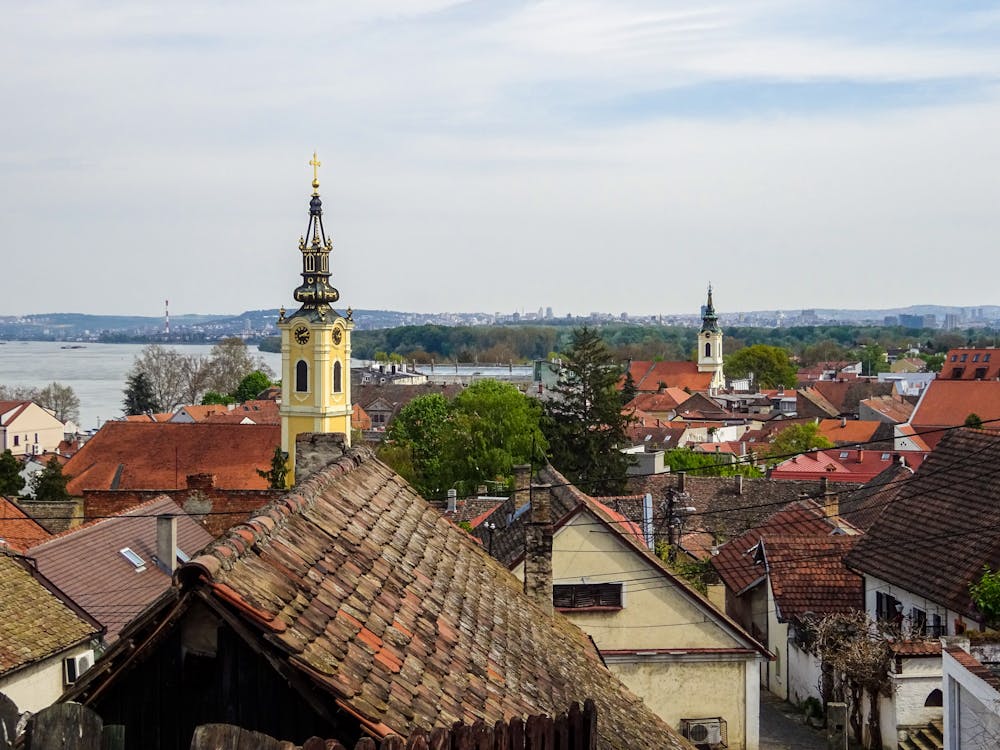
When travelers think of Serbia, they often envision the vibrant nightlife of Belgrade, the historic fortresses along the Danube, or the lush mountains of Kopaonik. However, beneath the surface of this resilient Balkan nation lies a complex socio-economic reality. While Serbia has made significant strides in economic stabilization and growth over the last decade, poverty remains a persistent challenge for a considerable portion of its population.
To understand the current state of the Serbian economy and its social fabric, one must look at the data beyond the capital city’s bright lights. Here are the top 10 facts about poverty in Serbia that shed light on the country’s ongoing struggle and its path toward a more equitable future.
1. The Distinction Between Absolute and Relative Poverty
Experts in Serbia categorize poverty into two main types: absolute and relative. Absolute poverty refers to individuals who cannot afford basic necessities like food and shelter. Fortunately, this rate remains relatively low, hovering around 7 percent. However, the “at-risk-of-poverty” rate, or relative poverty, is much higher. This metric identifies people living on less than 60 percent of the median national income. In Serbia, this rate consistently exceeds 20 percent, which is significantly higher than the European Union average.
2. Significant Geographic Disparities
Geography plays a massive role in economic status within Serbia. There is a stark divide between the northern and southern regions. Belgrade and the northern province of Vojvodina enjoy higher employment rates and better infrastructure. In contrast, southern and eastern Serbia suffer from industrial decline and lack of investment. Residents in these southern regions are often twice as likely to fall into poverty compared to those living in the capital.
3. Rural Communities Face the Greatest Hardship
Poverty in Serbia has a predominantly rural face. Small-scale farmers and residents of remote villages face immense challenges due to poor infrastructure and limited access to markets. Many rural households rely on subsistence farming, which offers little protection against crop failure or fluctuating market prices. Furthermore, the lack of reliable public transport in these areas makes it difficult for residents to access healthcare or find work in nearby urban centers.
4. Children Are a Highly Vulnerable Group
One of the most concerning aspects of Serbian poverty is its impact on the younger generation. Statistics show that children are at a higher risk of poverty than the general population. Approximately one in ten children in Serbia lives in absolute poverty. This lack of resources often leads to a cycle of deprivation, as children from poor backgrounds are less likely to complete higher education or access quality extracurricular activities, limiting their future earning potential.
5. The Rise of the “Working Poor”
In Serbia, having a job does not always guarantee an escape from poverty. A significant segment of the population falls into the category of the “working poor.” Many individuals work in low-skilled sectors where the minimum wage barely covers the cost of the basic consumer basket. When inflation rises, as it has in recent years, these workers find themselves struggling to pay for utilities and groceries despite working full-time hours.
6. Systemic Challenges for Roma Communities
The Roma population remains one of the most marginalized and impoverished groups in Serbia. They face multi-dimensional poverty that includes substandard housing, lack of access to clean water, and discrimination in the labor market. While the government and international NGOs have implemented various integration programs, the gap between the Roma community and the general population in terms of health, education, and income remains wide.
7. Education is the strongest Shield Against Poverty
Data consistently shows a direct correlation between education levels and poverty risk in Serbia. Individuals with only a primary school education face a poverty risk that is several times higher than those with a university degree. Educational attainment remains the most effective way to break the intergenerational cycle of poverty. Consequently, social activists emphasize the need for inclusive education policies that support students from low-income families.
8. The Vital Role of Social Protection Systems
The Serbian government provides various forms of social assistance, known as “Materijalna podrška” (Material Support). While these programs provide a crucial safety net, critics often argue that the amounts are insufficient to meet the rising cost of living. Furthermore, many people who qualify for aid do not receive it due to complex bureaucratic procedures or a lack of information about their rights. Improving the efficiency and reach of these social safety nets remains a top priority for social reform.
9. A Large Informal Economy
Many Serbians survive by participating in the informal or “gray” economy. This includes unregistered seasonal work, street selling, or providing services without a formal contract. While the informal economy provides an immediate source of income for those excluded from the formal labor market, it leaves workers without health insurance, pension contributions, or job security. This lack of institutional protection makes these individuals extremely vulnerable to sudden economic shocks.
10. EU Accession as a Driver for Reform
Serbia’s ongoing process of joining the European Union (EU) acts as a powerful catalyst for social and economic reform. As part of the accession negotiations, Serbia must align its social policies and labor laws with EU standards. This includes improving workplace safety, enhancing minority rights, and implementing more effective poverty reduction strategies. Many experts believe that continued European integration offers the best long-term hope for raising the standard of living for all Serbian citizens.
Conclusion
The story of poverty in Serbia is one of resilience and transition. While the numbers highlight significant challenges, they also point toward areas where targeted reform can make a difference. By addressing geographic disparities, investing in education, and strengthening social safety nets, Serbia can ensure that its economic growth benefits everyone, not just those in the major cities. Understanding these facts is the first step toward supporting the policies and initiatives that will eventually lead to a more prosperous and inclusive Serbia.
