
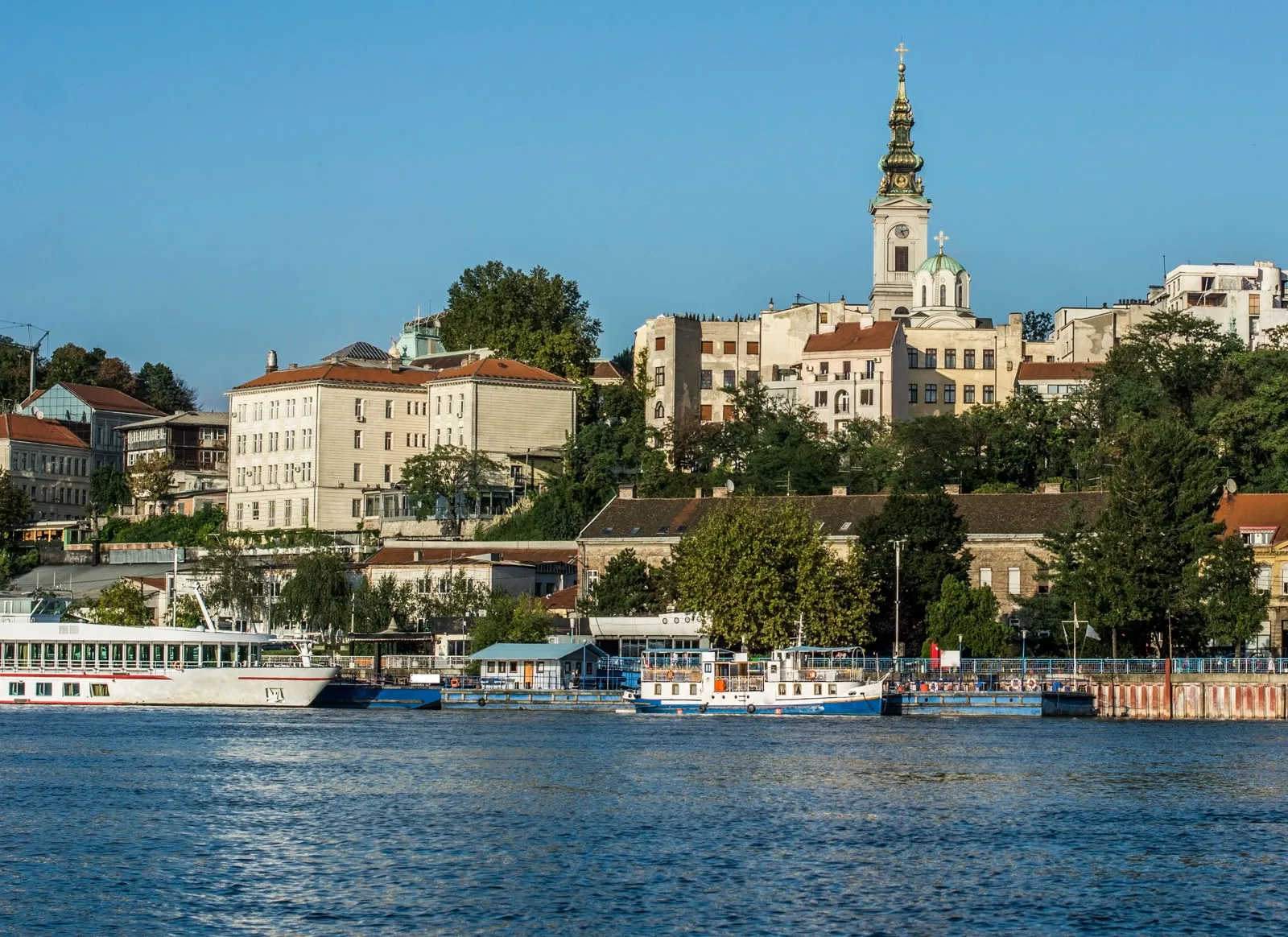
Serbia is a land of dramatic landscapes, profound history, and legendary hospitality. As a crossroads between Central and Southeast Europe, it offers a unique blend of Balkan energy and European sophistication. While the country is generally safe and welcoming for international tourists, navigating a foreign nation requires preparation. Whether you are planning to explore the bohemian streets of Belgrade or the quiet monasteries of the Fruška Gora mountains, this guide provides the essential travel advice and safety advisories you need for a smooth journey.
1. General Safety and Crime Levels
Serbia is statistically one of the safer countries in Europe. Violent crime involving tourists is extremely rare. However, like any popular destination, petty crime exists, particularly in crowded urban areas.
Advice:
- Watch for Pickpockets: Be vigilant on public transport in Belgrade (especially lines 72 and E1 from the airport) and in pedestrian zones like Knez Mihailova. Keep your valuables in a secure, internal pocket or a zipped bag.
- ATM Safety: Use ATMs located inside banks or well-lit hotel lobbies rather than isolated machines on the street. This reduces the risk of card skimming.
2. Understanding Regional Sensitivities
Serbia’s history is complex, and certain geopolitical topics remain sensitive. Travelers should be aware of the local context to ensure respectful interactions.
The Kosovo Issue: The most significant advisory concerns the border between Serbia and Kosovo. Serbia does not recognize Kosovo’s independence. If you enter Kosovo directly from a third country (like Albania or North Macedonia) and then try to enter Serbia, Serbian border authorities may deny you entry because you lack a Serbian entry stamp.
Advice:
- Entry Strategy: If you plan to visit both, it is best to enter Serbia first, then travel to Kosovo, and return to Serbia.
- Political Discussions: While Serbians are often open to debating politics, it is wise to listen more than speak on topics regarding the 1990s conflicts unless you are in a close, trusted circle.
3. Transportation and Driving in Serbia
Serbia has invested heavily in its infrastructure, but driving conditions vary significantly between the sleek highways and rural mountain roads.
Advice:
- Taxis: In Belgrade, always use reputable taxi apps like Cargo or Pink Taxi, or ask your hotel to call one. Unregulated taxis at the airport or train stations often overcharge tourists.
- Road Safety: If you rent a car, be aware that rural roads may be poorly lit and narrow. Local drivers can be aggressive with overtaking. Serbia has a strictly enforced zero-tolerance policy regarding drinking and driving.
- Public Transport: Belgrade has an extensive bus and tram network. Ensure you purchase a “Beograd Plus” ticket or use the mobile app to validate your fare, as inspectors are frequent.
4. Health and Environmental Considerations
No specific vaccinations are mandatory for entry into Serbia for most travelers, but standard precautions apply.
Advice:
- Water Quality: Tap water is generally safe to drink in Belgrade and most major cities. However, in parts of Vojvodina (like Zrenjanin), the water may have high mineral content, and bottled water is preferred.
- Air Quality: During the winter months, many households burn wood or coal for heating. In cities like Belgrade, Niš, and Valjevo, air pollution can reach high levels. If you have respiratory issues, check local air quality indices before outdoor activities in winter.
- Tick-borne Encephalitis: If you are hiking in forested areas during spring or summer, use insect repellent and check for ticks, as some regions carry a risk of Lyme disease or encephalitis.
5. Local Laws and Customs
Respecting local laws and social norms will make your trip much more enjoyable.
Advice:
- Identification: By law, you must carry your passport at all times. Police have the right to ask for identification. Most travelers find that a high-quality photocopy or a digital scan is sufficient, but the original should be accessible.
- Photography: Do not take photos of military installations, government buildings, or police checkpoints. These areas are often marked with a camera icon crossed out.
- Smoking: Serbia is one of the last bastions of indoor smoking in Europe. While some cafes have non-smoking sections, be prepared for smoky environments in traditional “Kafanas” (taverns).
6. Currency and Payments
The official currency is the Serbian Dinar (RSD). While many high-end hotels and restaurants in Belgrade accept Euros, the exchange rate offered is usually unfavorable.
Advice:
- Exchange Offices: Look for “Menjačnica” signs. These are everywhere and usually offer very fair rates with zero commission.
- Cash is King: While credit cards are widely accepted in cities, many smaller shops, bakeries, and rural guest houses only accept cash. Always carry some Dinars when leaving the capital.
7. Emergency Information
In the event of an emergency, you should know the local contact numbers. Most operators speak basic English, but speaking slowly and clearly is helpful.
- Police: 192
- Fire Department: 193
- Ambulance: 194
- Road Assistance (AMSS): 1987
Conclusion
Serbia is a rewarding destination for those who seek authenticity. By following these basic advisories—staying aware of your surroundings, respecting regional history, and preparing for local logistics—you will find that the country is not only safe but deeply enriching. The warmth of the Serbian people usually outweighs any logistical challenges you might face.
Whether you are enjoying a coffee along the Danube or exploring the medieval walls of Smederevo, a little preparation ensures that your Serbian adventure is remembered for all the right reasons.
